

Case Studies
Stag Brewery
Background
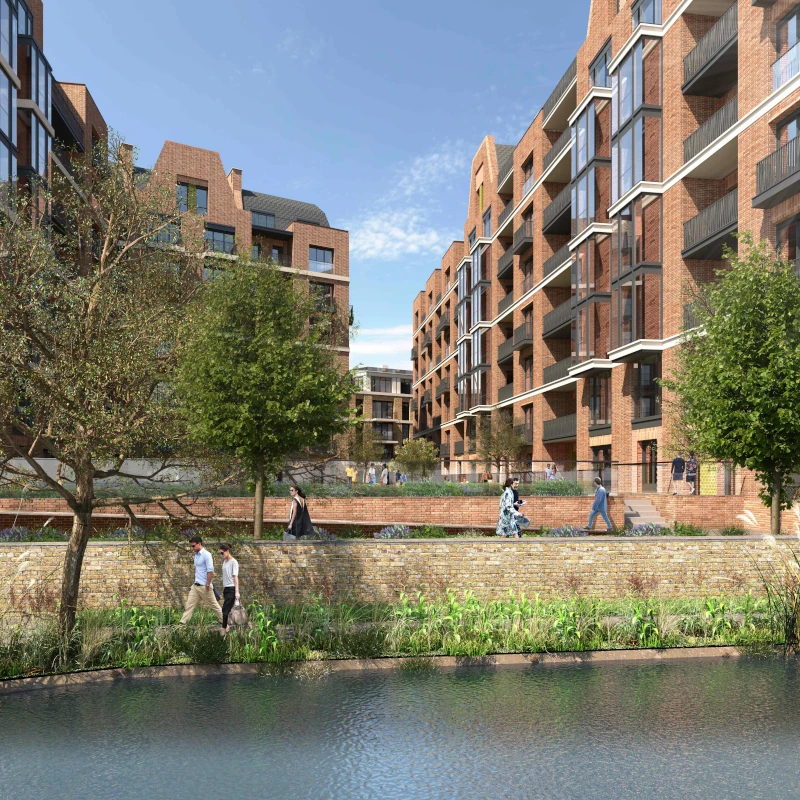
Reselton Properties commissioned us to test the viability of their proposals for a mixed-use development comprising 1,075 residential units on the former Stag Brewery Site in Mortlake including the conversion of heritage buildings.
Approach
Our appraisals demonstrated that the development could only deliver 7.5% affordable housing as a result of extensive infrastructure costs. We worked closely with officers at the local planning authority and their advisers to secure agreement on viability. Despite a resolution to grant, the GLA indicated that it would direct refusal. Reselton submitted an appeal prior to the GLA exercising its call-in powers.
Outcome
Anthony Lee gave evidence at the Inquiry which the Inspector accepted. The inquiry tested key metrics in viability assessments, including appropriate profit margins and whether or not growth in values should be factored into appraisals at the application stage.
Walton Court
Background
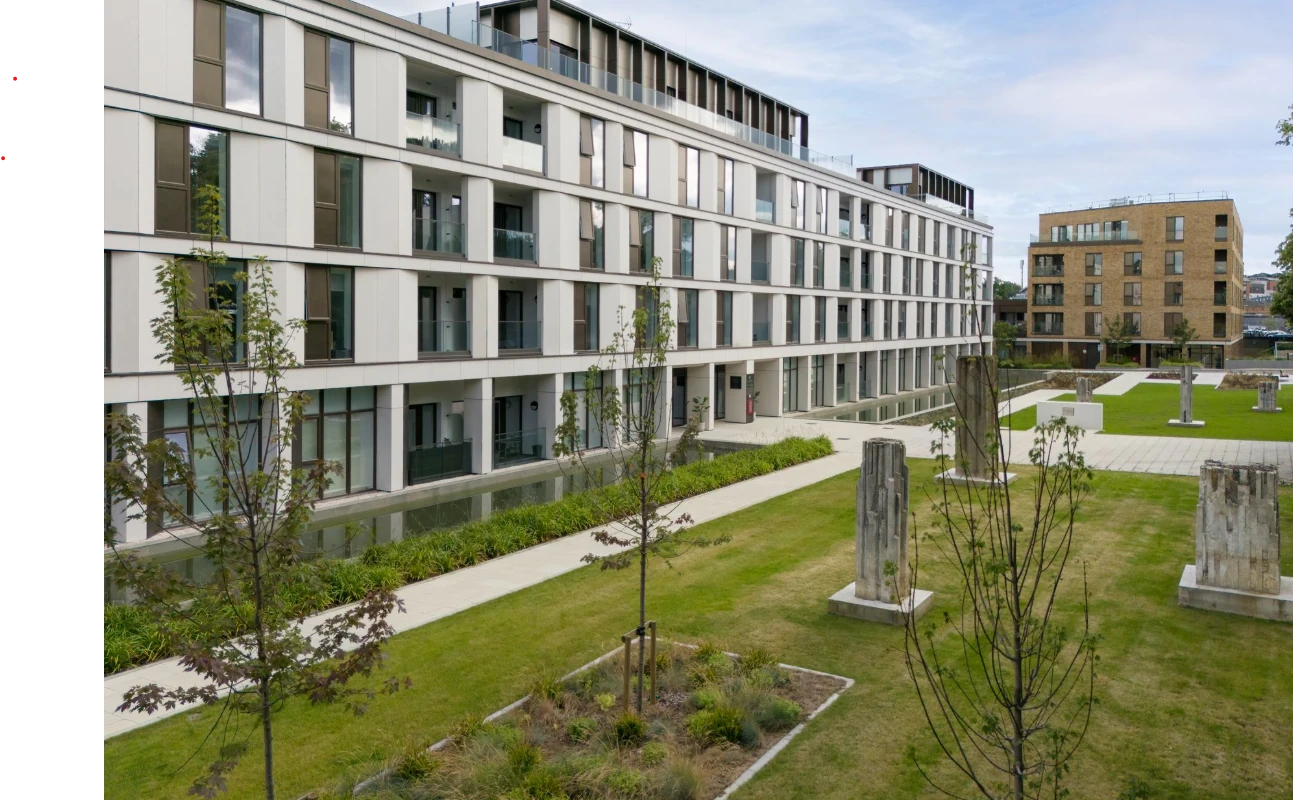
Crest Nicholson sought independent advice to support negotiations in relation to the redevelopment of a Grade II Listed building.
Approach
We assessed the redevelopment options for the site and using the outputs of the appraisals, considered the most appropriate development option for the site. Options included the conversion, refurbishment, and demolition of the existing building for use types including office, retail, hotel and residential units. Our analysis supported constructive dialogue between the authority, Homes England and the developer.
Outcome
Permission was granted for the demolition of the existing building and redevelopment of the site to provide a residential-led scheme.
Bramshill House
Background
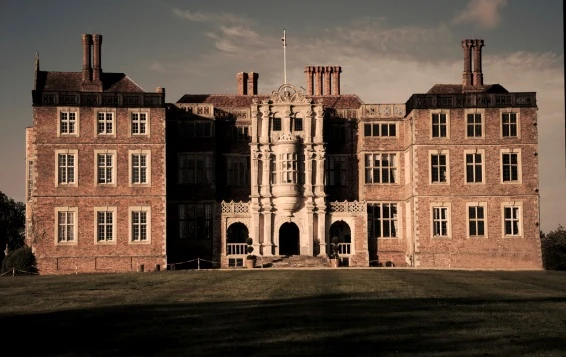
We advised City & Country on viability and enabling development aspects of their proposed conversion of Bramshill House, a 17th Century Jacobean mansion previously used by the Home Office as a police training college.
Approach
We assessed the conservation deficit generated by the conversion of the mansion to residential use and identified the quantum of new build residential development required in the grounds to cross-fund the deficit.
Outcome
Hart District Council rejected the application and Anthony Lee appeared as an expert witness on behalf of the appellant at the subsequent inquiry.
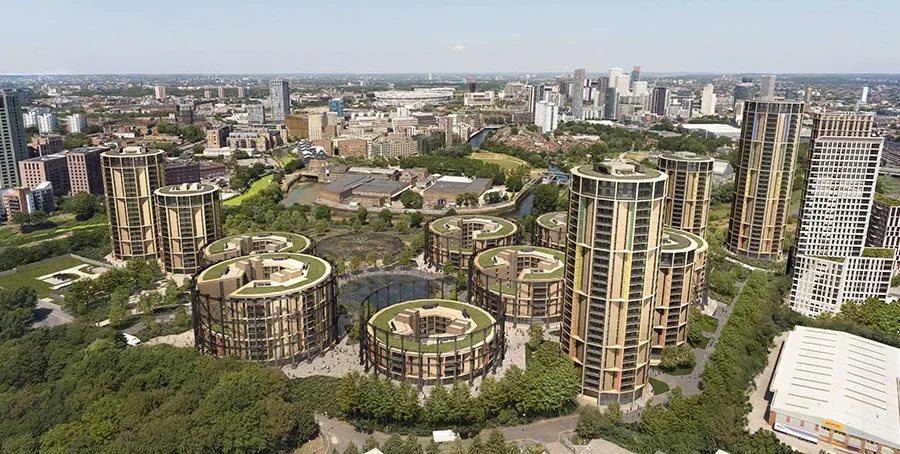
Bromley By Bow Gasworks
Background
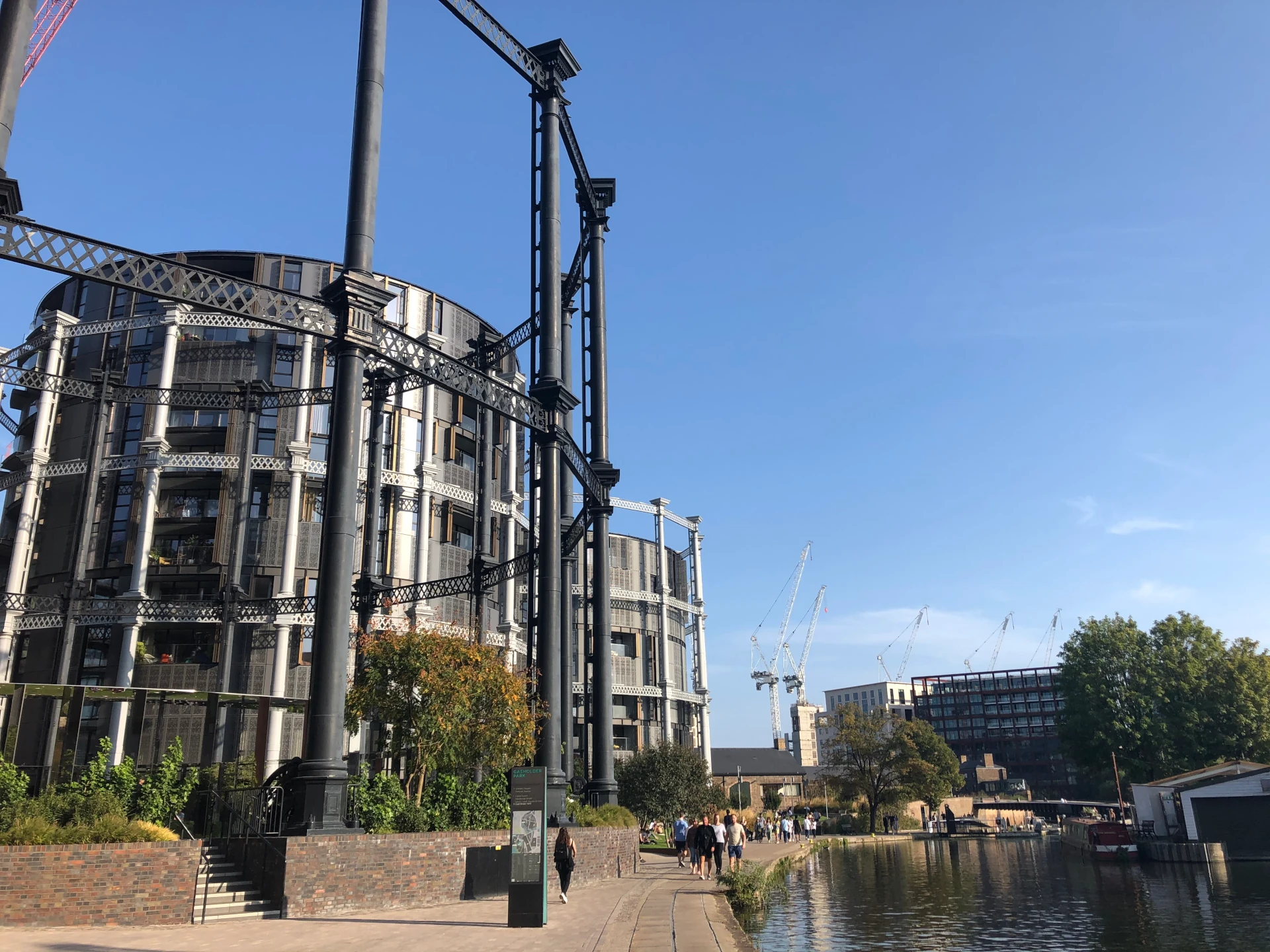
The London Borough of Newham sought independent viability advice to support negotiations on a large residential-led regeneration scheme involving the restoration of its seven listed gasholders.
Approach
We undertook a review of the applicant's submitted FVA to determine whether the affordable housing offer and Section 106 contributions as proposed had been optimised. We undertook an appraisal of the scheme, testing multiple scenarios ultimately supporting constructive dialogue between the authority and the developer.
Outcome
The project achieved a balanced, defensible position on affordable housing and infrastructure contributions, enabling the scheme to progress with confidence.

Crossharbour Site, Isle of Dogs
Background
The developer and local planning authority sought our advice as to a reasonable Community Infrastructure Levy Offset In Kind reflecting the scheme's contribution over and above its policy obligations.
Approach
We developed a transparent financial model, supported by robust market-facing inputs to test the value of the land given over to community uses.
Outcome
Both landowner and developer were content to progress the scheme based on our advice.
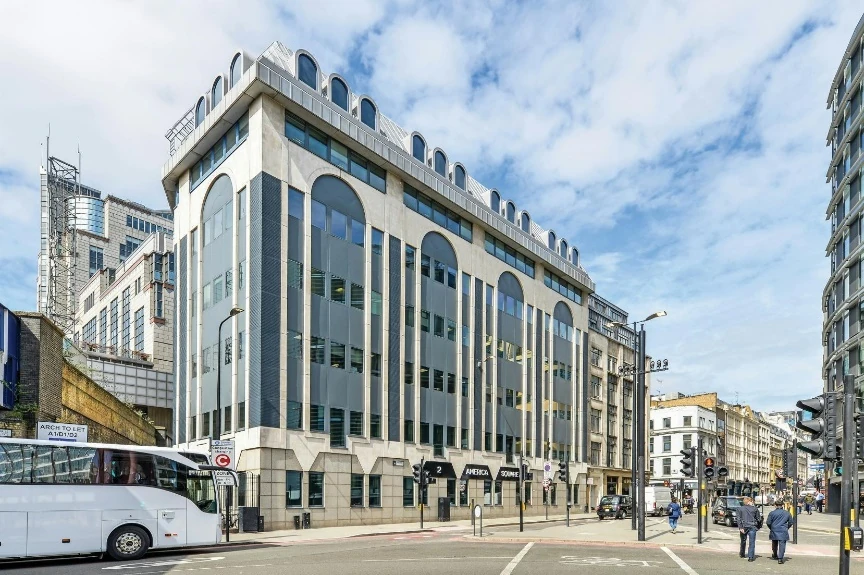
2 America Square, London
Background
We were instructed to provide financial viability advice to support the proposed redevelopment of the subject to justify the change of use of the existing office building to an aparthotel by demonstrating that the site was no longer suitable for a long-term viable office use.
Approach
We appraised several office scenarios assuming: (1) light refurbishment of the existing building, (2) a full Category A refurbishment to bring the building to a standard required by modern occupiers (including sustainability requirements) and (3) the demolition of the existing building and construction of a new office building. We tested the scenarios having regard to a thorough analysis of market evidence, assumed project programmes and additional appraisal assumptions linked to each scenario with costs supported by a cost consultant.
Outcome
Our appraisals and supporting report concluded that the scenarios we tested were unviable. The City of London Corporation's viability consultant agreed with our conclusions in their review which satisfied the Corporation's planning policy that seeks to prevent the loss of office space.
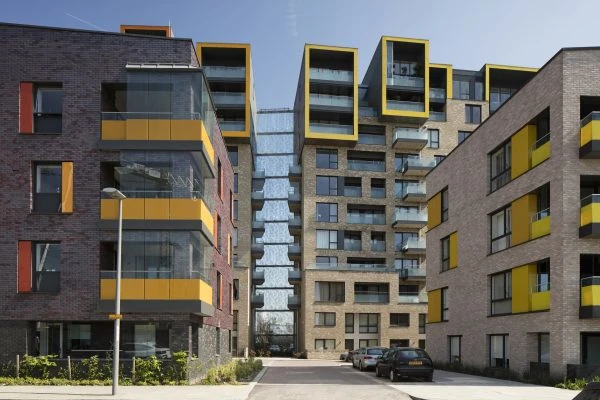
Greenwich Millennium Village (Phases 3, 4 and 5)
Background
We provided Greenwich Millennium Village Limited (GMVL), a joint venture between Countryside Homes (part of the Vistry Group) and Taylor Wimpey, with ongoing independent viability advice supporting the delivery of their residential-led mixed-use development delivering 1,746 units on the Greenwich peninsular. This involved iterative testing through an initial hybrid application and multiple reserved matters applications dealing with complex phasing and infrastructure requirements along with evolving market conditions.
Approach
We developed a transparent and robust financial model to test the viability position of the proposed development that could be updated as new phases of the development's outline masterplan came forward through multiple detailed reserved matters applications. This allowed us to provide clear evidence on deliverability, risk, and policy alignment at the outset of the masterplan's determination, as well as ongoing throughout the project's progression. Our analysis has supported a constructive dialogue between the developer and local planning authority throughout the delivery of the development.
Outcome
Our appraisals demonstrated the maximum reasonable provision of 20% affordable housing against the 35% level in the original outline planning permission. We also assisted GMVL in its affordable housing negotiations with the LPA and with the HCA on securing a pre-existing grant allocation. Approval for the revised scheme was secured just before the introduction of the Mayoral CIL, which would have resulted in a charge of several millions of pounds. We were also appointed to prepare and submit all of the subsequent reserved matters updated viability assessments, which maintained the maximum provision position of 20% affordable housing set out in the initial Section 106 agreement.

Local Plan and CIL Viability
Background
We have extensive experience in preparing robust viability evidence base documents to support local plans and advising on the level of CIL charges and successfully defending these at Examinations in Public. The studies test the cumulative impact of the local planning authorities' requirements, in line with the requirements of the NPPF and PPG.
Approach
We have advised numerous planning authorities across England and in particular we have advised 89% of London's planning authorities on the viability of their local plans and 86% on their CIL charging schedules. Our approach involves comprehensive market analysis, policy testing, and robust evidence preparation to withstand examination scrutiny.
Outcome
Our expertise in local plan and CIL viability has established us as leading advisers in this field, with a proven track record of successfully defending viability evidence at examinations and helping planning authorities establish sound, defensible charging schedules.